Offshore and shipping operations
generate a wide variety of waste. As per the new rules from IMO (International
Maritime Organization), waste management is required to apply to vessels
offshore. Besides rules and regulations, many international organizations
encourage ship owners and operators to make effort to reduce waste on board so
as to lessen the negative impact to the offshore environment, by means of
providing discounts on port dues, charter preferences, lower insurance premiums
etc.
With the trend of an environmental friendly operation on board,
nowadays more and more balers are installed on ships for handling daily
generated solid waste. Marine balers from SINOBALER are designed especially for
this application. Sinobaler offers standard, water proof and explosion proof
grades for your choice. Every type of marine baler is within standard dimensions
of doorways with small footprint and below certain height because we understand
that space on board is by nature limited.
Sinobaler marine balers are
able to compress most, if not all waste on-board such as Paper, Cardboard,
Plastic Bottles, Packaging Materials, Tin Cans and Empty Paint Tins etc. With a
compaction ratio of up to 12:1, these machines can drastically reduce waste
volume which can minimize waste management cost by the same ratio. This means it
takes just a few weeks after buying balers for the ship owner to see a return on
the investment.
SINOBALER recognized global vertical baler and horizontal baler machine pioneer is an industry-leading Waste Recycling Balers Manufacturer in hyrdualic baling presses.
Showing posts with label recycling equipment. Show all posts
Wednesday, May 21, 2014
Monday, January 13, 2014
How to deal with Used Drums or Barrels?
It is common to see steel drums or steel
barrels around us in life. Such
cylindrical containers are generally used for transportation and storage of
liquids and powders. Many drums have a
common nominal volume of 208 litres (55 US gallon), measuring just under 880mm
(35”) tall with a diameter just under 610mm (24”).
Regardless the drums were used to contain
dangerous chemical or other harmless liquids or powders, storing the drums after
their purpose has been served will always be a problem because empty drums tend
to become massive containers that take up a lot of space. For temporarily storage, you can simply just
stack it up; but after a while, you will surely run out of space for these
drums.
So how will you handle the disposal of
drums? Used drums are not like any day-to-day end of used products which can be
easily thrown away. Such large drums are
usually handled differently due to its size, as well as the residual material
left over in the container which may be considered hazardous. A waste may be considered hazardous if it is
ignitable (i.e. burns readily), corrosive, reactive (e.g. explosive), or
extraction procedure (EP) toxic. Waste
may also be considered hazardous if it contains certain amounts of particular
chemicals.
A good solution for handling such kind of used
drums is to use a Drum Crusher (also known as barrel flattener, drum press, or
drum crushing balers) to flatten the drums as thin as three inches high. This crushing baler can flatten almost any
kind of metal containers, drums, or barrels, up to a full 220 litres (58 US
gallon) size. This baling machine is
also equipped with Liquid Drainage Channel, which will efficiently drained the residual
liquid in the drums out of the baler to keep your recycling area clean and
safe.
One drum crusher can compact on average 60
pieces of drums per hour, and only require just 1 person to operate. So with a volume reduction of almost 85%, and
residual material drained, the flattened drums can now easily stockpile on
pallets and move to a steel mill for recycling as per your country’s
regulations.
Maybe you will feel purchasing a Drum Crusher is slightly costly during your initial budget planning. But your return on investment is ensured if
you choose a good quality machine, the drum crusher will be able to help you to
maximize your storage capacity, as well as reduce your transportation cost. Therefore, all these savings will be able to make
your investment worth its while in no time.
Sunday, December 29, 2013
Bagasse... The Alternative Energy In India
Power shortage has been an ongoing problem in India. Facing the international oil price increase, and suffering from shortage of energy, India began to turn their attention to alternative energy – using bagasse to generate electricity.
India, as one of the top 3 sugar-producing countries in the world, has up to 4 million hectares of sugarcane plantation each year, and bagasse generated by sugar mills amounted up to 40 million tons each year.
India’s current central power system is still not complete as almost 70% of rural households still do not have access to electricity. As such, there are huge potential for using sugar cane bagasse to generate power in India, because bagasse power generation can be easily transmitted to nearby rural households where a unit of heat generated is equivalent to the central power system with 2 units of fossil fuel power generation and transmission.
Unlike fossil fuel which contains sulfur matter, the bagasse can be burnt completely, therefore greatly reduce pollution. The Indian government realized the advantages of having local power plant by bagasse and began to change the power generation policy. At the end of 20th century, the State Electricity Commission of India abolished the decades of discrimination policy to the local power plant, and had carried out a de-centralized power generation management rules. They began to aggressively promote the use of bagasse power generation in rural areas, as well as encourage private sectors to investment in their factories.
Since India’s State Electricity Commission changed the power generation policy, the effect is very significant. Currently, India’s sugar manufacturing industry has about 87 sugar cane bagasse power plants, with a total power generating capacity of 710 MW. These bagasse power plants have changed hundreds of thousands of families’ life in rural India. In Karnataka, Tamil Nadu, Uttar Pradesh, and Andhra Pradesh, bagasse power plants are becoming the main power supply source.
Let’s see what benefits brought to Indian society by bagasse power generation.
From the aspect of electricity bill: by using local bagasse power plant to generate and transmit power, the farmers in rural areas can achieve a saving of approximately 31% of the electricity cost as compared to power generated by using coal or oil. In another word, for every 100 USD a farmer used to spent, he now can save 30 USD!
From the aspect of emissions: the emission of sulfur dioxide and nitrogen oxides are significantly lower than conventional fossil fuels, coal or oil. This is due to the characteristically low levels of sulfur and nitrogen associated with bagasse. It is expected that the bagasse power plants in India, including those still under construction, will be able to reduce carbon dioxide emissions in India by 5.5 million tons each year.
Therefore, if the sugar manufacturing industry in India can tap into the full potential of bagasse power generation, more and more Indian farmers will be able to benefit from this new power energy, giving more people staying in the rural area with a better living condition in the near future.
Wednesday, December 4, 2013
Everyone Should Be Conscious About Recycling
Recycling is a pretty simple concept - i.e. take a useless object and turned it into something useful instead of throwing it away. Generally, when you found a new way to re-use something old, you are recycling. But on a larger scale, used consumer products that are recyclable, are typically collected by recycling companies or organizations to process it into raw materials, and then further remade into new products.
Sending
waste to landfills and incinerators are the conventional ways of disposing your
unwanted waste material. However, landfills not only take up huge area of
space, it also causes contamination and pollution to the soil and water.
Incinerators, on the other side, contribute to air pollution and global
climate change with its greenhouse gas emission. In order to prevent
these harmful pollutions to escalate further, recycling plays an important
role. On top of that, recycling also helps to conserve natural resources.
Instead
of making brand new product from pure raw materials, making use of recycled
materials can be more environmental friendly and sometimes more cost effective.
For example: Aluminum (found mainly as bauxite) is the third most
abundant element in Earth's crust (which is after oxygen and silicon), but
extracting this metal from bauxite is highly energy intensive. It takes
four tons of bauxite to just produce one ton of aluminum. Compared to aluminum
recycling, it will only use a fraction of such energy. On average, the
aluminum beverage cans get recycled within 60 days; in another words, a can of
soda is back on the supermarket shelves sixty days after you have disposed it
into the recycle bin.
For a
recycling company to effectively collect back the recyclable waste, the baling machine is an essential equipment to have.
A baler compresses bulky, loose waste materials into dense,
regularly-shaped bales. With its reduced volume, more waste materials can be
transported on a single trip by truck, trailer or containers for further
recycling purposes, thus saving greatly on cost and energy involved in
transportation. With the growing importance and popularity of baler
machines, as well as the unique properties of different material types, much
effort has been devoted to developing the baling presses for specific material,
so as to achieve optimal baling results. There are
typically three main types of baling equipment - Manual
Balers, Semi-auto
Balers and Automatic
Balers. The best way to find the right baling press for your need is
to contact a specialized
baler manufacturer.
As you can see, apart from environmental benefits, recycling can also helps creating more job opportunities. Economic analysis shows that recycling can generate three times more revenue per ton as landfill disposal and almost six times as many jobs! Therefore, everyone should be conscious about recycling, and make an effort to do it anytime and anywhere.
Friday, November 29, 2013
Turning Waste into Profits for your Company
There are numerous types of waste generated in our daily life inall types of industries. Ever wonder how we can turn some ofthese wastes into money for your company? Here are some ideas. First of all, we need to sort your wastes into 2 main groups – recyclable waste and non-recyclable waste. Recyclable waste normally covers old corrugated cardboard, cartons and paper related material, plastic related material, metal related material, wood related material, textile related material, and rubber related material such as used tyres.
As you can see, recyclable waste can be quite bulky. So before putting these recyclable materials into the recycling line, the costto transport these materials to the waste collection points or recycling facilities can be quite substantial. Regardless if you are sending these recyclable resources to an inland recycling center by truck, or shipping it out to an overseas recycling facility by container loads, it certainly makes sense to load as much material in one trip to reduce transport and labour cost. That iswhy baling machine had become an important recycling equipment to the recycling world.
Take the old corrugated cardboard as an example. Bulk cardboard waste is normally with density of 50-70kgs/m3; but when you use a heavy duty hydraulic baling press to bale it, the material density can dramatically goes up to 500kgs/m3 in nice and tidy block of bales. 500kgs/m3 vs 50gks/m3, the volume reduction ratio is 10:1. It is obvious that having a balingequipment in your facility can easily saves your transportation cost up to 90%.
For example: Imagine you are exporting your recyclable cardboards to an overseas recycling company. Assuming each 40’ container load of cardboard bales is approximately 25 tons, and you export 2 containers per day with freight cost around US$800 each. After that, compare with shipping out the same 50 tons of cardboards per day without baling. And now you do the math. Shipping out baled material can help you saveapproximately US$14,400 per day, US$43,200 per month, and US$5,184,000 per year! All these savings will definitely bring you much favorable bottom line.
So the matter now is not about whether you should buy a baler for your organization, but which baler should you buy to ensure return of investment in shortest possible time. Sinobaler baler makes sense when you are considering a baling machine. Our build quality is exceptional; our prices are competitive; our machines are easy to use, do the job quickly, and last for years; and our commitment to being there for our customers is second to none. We’d be pleased to help you with your baling machine needs.
Monday, August 15, 2011
How to ‘Squeeze more’ out of your Profit Margin?
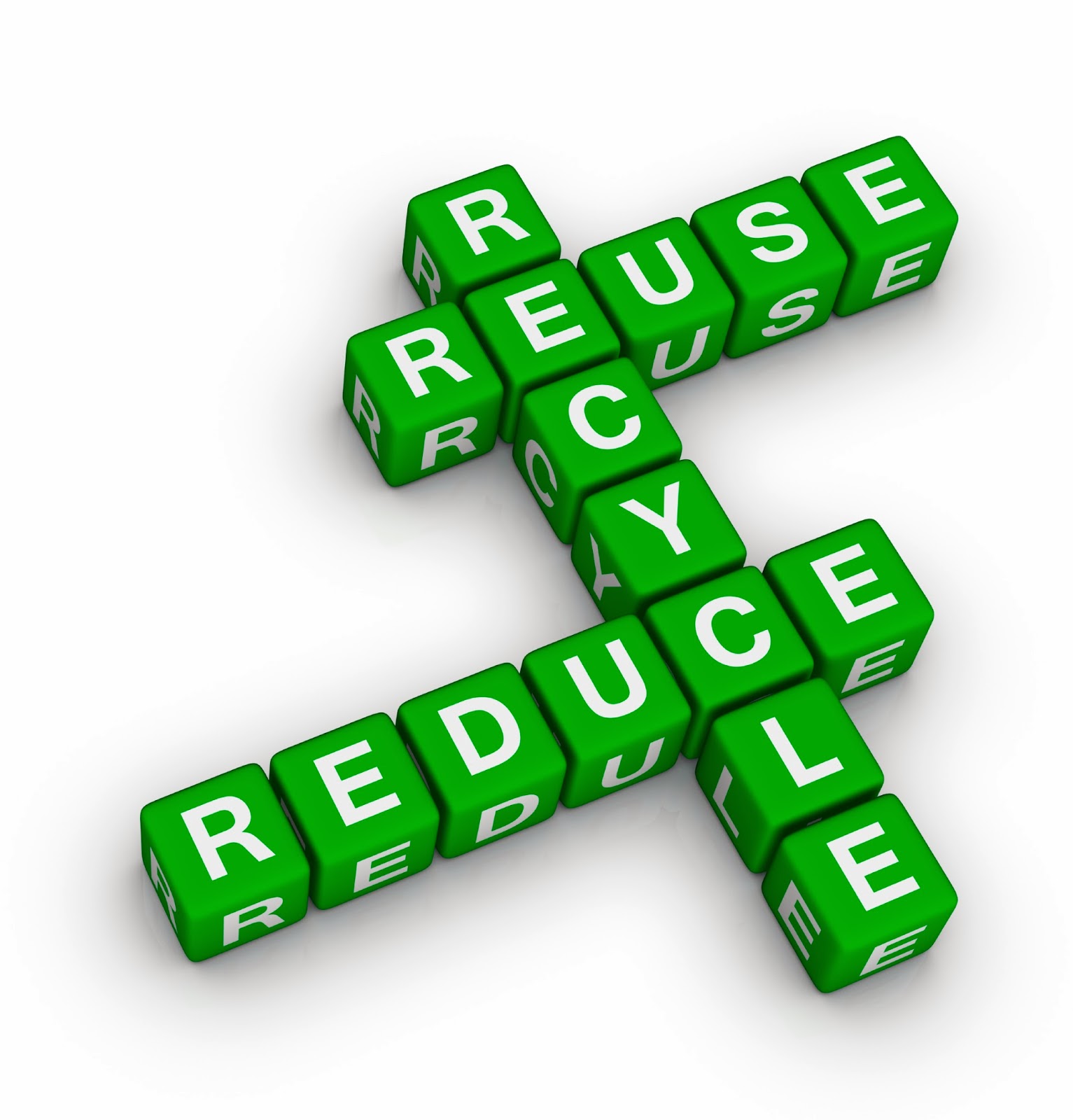
Toady’s business environment demands that businesses become ultra efficient with a low environmental impact. Reducing, reusing, and recycling have never before become so important for a world plagued by a growing pollution problem. Simple recycling can help slow and reverse such a devastating global problem. According to the United States Environmental Protection Agency (EPA) has found that recycling causes 35% less water pollution and 74% less air pollution than making virgin paper. Companies that embrace recycling will experience savings, increased efficiency, and brand recognition for their eco-friendly products. The secret to recycling effectively in large quantities is technologically advanced balers designed to fit your unique business needs.
What is so efficient about a baler?
One major benefit is that you are able to get more (or squeeze more) out of your recycled goods during transportation. Effective balers can drastically change the size of your large unmanageable recyclables into small, packaged bales ready for transport. Smaller sized bales increase the amount you can store during transport and funds for any recycled material. In essence, a better baler yields a better payload, which delivers better payouts.
So where do I begin with choosing a baler?
Well, there are actually several considerations you need to take before purchasing a baler. For example, the recycled material, payload size, purpose, and space available are some important questions to keep in mind when evaluating a baler. At Sinobaler, our experienced staff will take the time to discuss every viable option (e.g. vertical, horizontal, or customized balers) to fit your businesses’ unique needs.
Why should I choose Sinobaler?
When looking for a baler, you could turn to the Internet and purchase a baler without truly knowing what you’re buying. Sinobaler provides top quality equipment developed on sound business/customer relationships. Customer satisfaction, product quality, eco-friendliness, and competitive prices are cornerstones in Sinobaler’s corporate philosophy. Check us out today for information and pricing on top quality baling products.
What is so efficient about a baler?
One major benefit is that you are able to get more (or squeeze more) out of your recycled goods during transportation. Effective balers can drastically change the size of your large unmanageable recyclables into small, packaged bales ready for transport. Smaller sized bales increase the amount you can store during transport and funds for any recycled material. In essence, a better baler yields a better payload, which delivers better payouts.
So where do I begin with choosing a baler?
Well, there are actually several considerations you need to take before purchasing a baler. For example, the recycled material, payload size, purpose, and space available are some important questions to keep in mind when evaluating a baler. At Sinobaler, our experienced staff will take the time to discuss every viable option (e.g. vertical, horizontal, or customized balers) to fit your businesses’ unique needs.
Why should I choose Sinobaler?
When looking for a baler, you could turn to the Internet and purchase a baler without truly knowing what you’re buying. Sinobaler provides top quality equipment developed on sound business/customer relationships. Customer satisfaction, product quality, eco-friendliness, and competitive prices are cornerstones in Sinobaler’s corporate philosophy. Check us out today for information and pricing on top quality baling products.
9 Reasons for Choosing SINOBALER
1. All SINOBALER balers are CE certified, which guarantees the operators’ safety.
2. For any of SINOBALER baler, an inspection report by a third party is available.
3. SINOBALER uses top brand steel – Baosteel, to build the structure of balers.
4. SINOBALER uses top brand electrical and hydraulic components.
5. SINOBALER pays visits to overseas customers from time to time providing consultation, installation, training and maintenance services.
6. SINOBALER will reply you within 24hours for any of your sales inquiry or technical consultation.
7. Online Order Tracking is available by accessing SINOBALER ERP database.
8. SINOBALER packs the balers with a combination of plastic film, steel structure and plywood case so as to well protect the machines during loading, transportation and discharging process. It complies with the regulation of International Standards Organization’s Technical Committee 122 (as called International Packaging Standards).
9. SINOBALER provides documentation in professional English while some other Chinese suppliers’ documentations are filled with confusing expressions. Documentations in your native language are also available as long as you require.
2. For any of SINOBALER baler, an inspection report by a third party is available.
3. SINOBALER uses top brand steel – Baosteel, to build the structure of balers.
4. SINOBALER uses top brand electrical and hydraulic components.
5. SINOBALER pays visits to overseas customers from time to time providing consultation, installation, training and maintenance services.
6. SINOBALER will reply you within 24hours for any of your sales inquiry or technical consultation.
7. Online Order Tracking is available by accessing SINOBALER ERP database.
8. SINOBALER packs the balers with a combination of plastic film, steel structure and plywood case so as to well protect the machines during loading, transportation and discharging process. It complies with the regulation of International Standards Organization’s Technical Committee 122 (as called International Packaging Standards).
9. SINOBALER provides documentation in professional English while some other Chinese suppliers’ documentations are filled with confusing expressions. Documentations in your native language are also available as long as you require.
Monday, March 14, 2011
Baling Machines – Horizontal Balers
Baling machines are popular with manufacturers and other commercial industries because they provide an ideal solution in regards to the disposal of recyclable waste (this leads some people to confuse balers with trash compactors. We’ll clear that up rather simply: a baling machine is for recyclables, and a trash compactor is for trash.)
To that end, there are two basic “types” of baling machine designs – horizontal balers, and vertical balers. This article will provide a brief “birds-eye” overview of the basic differences between the two, and then focus on horizontal balers.
The biggest difference between horizontal balers and vertical balers is right in their respective names. Vertical balers compress recyclable waste from above (hence “vertical”), while a horizontal baler compresses the waste from the side. Vertical balers are generally meant to be manually loaded and operated (often just by one person), and are smaller than horizontal balers in terms of footprint. Thus, they are more suited for industries where occasional waste needs to be compacted.
Conversely, horizontal balers are more suited for industries / businesses where recyclable waste is abundant. Their “top feed” design lends itself to large quantities of recyclable material being fed into the machine. In fact, most horizontal balers are fed by a conveyor belt or forklift, meaning larger quantities of waste can be compressed than if it were fed by hand. This makes horizontal baling machines well suited for large operations or businesses with a large quantity of recyclable material.
Horizontal balers compress the waste from the side, and, depending on the model, may do so from two directions. This allows the waste material to be compacted rather tightly, usually tighter than a comparable vertical baler is capable of. In addition, most horizontal balers automatically tie/secure the bundles, and eject them continuously (one finished bundle pushes out the previous one, etc.) Combined with a conveyor feed, this allows for baling speeds far greater than their vertical baler counterparts. 60+ tons an hour is a possible output for some models.
With a compressing force of anywhere from 20 tons to hundreds of tons, horizontal baling machines can be found across many industries and are capable of recycling just about any material, from textile to metals to plastics. Their large feed capacity also makes them ideal for bulky waste, such as boxboard and many other fibrous products. And, of course, the larger / faster horizontal balers are the top choice for MRF’s (materials recovery facilities) and recycling operations.
With such diverse capabilities and superior speed/compacting capacity; it’s easy to see why so many businesses have chosen horizontal balers to help comply with local recycling regulations.
To that end, there are two basic “types” of baling machine designs – horizontal balers, and vertical balers. This article will provide a brief “birds-eye” overview of the basic differences between the two, and then focus on horizontal balers.
The biggest difference between horizontal balers and vertical balers is right in their respective names. Vertical balers compress recyclable waste from above (hence “vertical”), while a horizontal baler compresses the waste from the side. Vertical balers are generally meant to be manually loaded and operated (often just by one person), and are smaller than horizontal balers in terms of footprint. Thus, they are more suited for industries where occasional waste needs to be compacted.
Conversely, horizontal balers are more suited for industries / businesses where recyclable waste is abundant. Their “top feed” design lends itself to large quantities of recyclable material being fed into the machine. In fact, most horizontal balers are fed by a conveyor belt or forklift, meaning larger quantities of waste can be compressed than if it were fed by hand. This makes horizontal baling machines well suited for large operations or businesses with a large quantity of recyclable material.
Horizontal balers compress the waste from the side, and, depending on the model, may do so from two directions. This allows the waste material to be compacted rather tightly, usually tighter than a comparable vertical baler is capable of. In addition, most horizontal balers automatically tie/secure the bundles, and eject them continuously (one finished bundle pushes out the previous one, etc.) Combined with a conveyor feed, this allows for baling speeds far greater than their vertical baler counterparts. 60+ tons an hour is a possible output for some models.
With a compressing force of anywhere from 20 tons to hundreds of tons, horizontal baling machines can be found across many industries and are capable of recycling just about any material, from textile to metals to plastics. Their large feed capacity also makes them ideal for bulky waste, such as boxboard and many other fibrous products. And, of course, the larger / faster horizontal balers are the top choice for MRF’s (materials recovery facilities) and recycling operations.
With such diverse capabilities and superior speed/compacting capacity; it’s easy to see why so many businesses have chosen horizontal balers to help comply with local recycling regulations.
Subscribe to:
Posts (Atom)